

Post-inflammatory hyperpigmentation (PIH) is one of the most common skin concerns that appears after acne, burns, eczema, or any type of skin injury. It presents as dark patches or uneven skin tone that can persist for months if not treated properly. Many individuals struggle with this condition due to delayed healing and excessive melanin production in affected areas. With modern dermatological advancements, effective solutions are now available that help restore clear and even-toned skin. Understanding the causes and treatments is essential for achieving long-term improvement in skin appearance. Post Inflammatory Hyperpigmentation in Islamabad has become a frequently discussed concern among individuals seeking advanced skincare solutions for stubborn pigmentation issues.
Quick Facts:
- Post-inflammatory hyperpigmentation develops after skin inflammation such as acne, eczema, or injury, where excess melanin creates dark patches on the skin.
- It affects all skin types but appears more prominently in medium to deeper skin tones due to higher melanin activity after inflammation. Sun exposure can significantly worsen PIH, making sunscreen a critical part of daily skincare.
- PIH is not the same as a scar because it does not involve structural damage to the skin, only color change. Unlike scars, it responds well to topical treatments, chemical peels, and laser therapies.
- Acne is the leading cause of post-inflammatory hyperpigmentation, especially when pimples are picked or squeezed. Early acne treatment can greatly reduce the chances of developing dark marks.
- Chemical peels help by exfoliating damaged skin layers and encouraging new, evenly pigmented skin growth. Regular sessions improve skin brightness and reduce visible discoloration over time.
- Laser therapy targets melanin deposits in the skin and breaks them down for natural removal by the body. It is considered one of the fastest options for stubborn pigmentation cases.
- Vitamin C plays a key role in reducing PIH by inhibiting melanin production and brightening overall skin tone. It also supports collagen production for healthier skin texture.
- Microneedling improves PIH by stimulating skin regeneration and enhancing absorption of brightening serums. It is often combined with other treatments for better results.
- PIH can take weeks to months to fade depending on depth and severity of pigmentation. Consistency in treatment and sun protection significantly speeds up recovery.
- Preventing skin inflammation is the best way to avoid PIH, as early care of acne and skin injuries reduces melanin overproduction. Gentle skincare routines help maintain long-term skin clarity.
What is Post Inflammatory Hyperpigmentation?
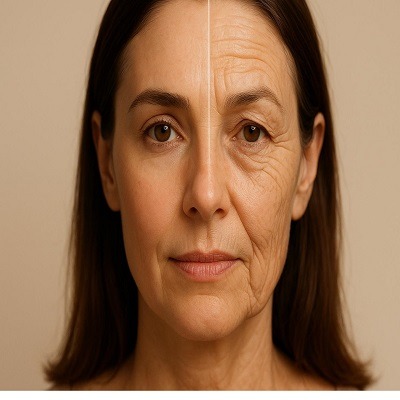
Post-inflammatory hyperpigmentation is not a scar but a discoloration of the skin that occurs after inflammation or injury. When the skin experiences trauma, melanocytes become overactive and produce excess melanin, leading to dark spots. These patches can vary in color from light brown to deep black depending on skin type and severity. It affects both men and women and is more noticeable in medium to darker skin tones. Although harmless medically, it can significantly impact self-confidence and overall appearance.
Results of Post Inflammatory Hyperpigmentation:
Post-inflammatory hyperpigmentation results in visible dark patches or uneven skin tone that appears after skin inflammation such as acne, burns, or irritation. These marks usually start as light brown spots and may gradually become darker if not treated properly. The affected skin often looks patchy, leading to an uneven complexion and loss of natural glow. Over time, the discoloration may slowly fade, but in some cases, it can persist for months or even longer without treatment. With proper dermatological care, the skin tone becomes more balanced and clearer. Treatments help reduce melanin buildup, resulting in smoother and brighter skin appearance. Consistent skincare and sun protection significantly improve overall results and prevent further darkening. In successful cases, the skin regains a more even, healthy, and refined texture.
Causes of Post Inflammatory Hyperpigmentation:
Several factors contribute to the development of PIH, and understanding them helps in preventing recurrence.One of the most common causes is acne. When pimples heal, they often leave behind dark marks due to inflammation. Other causes include eczema, allergic reactions, burns, insect bites, and aggressive skin treatments. Even improper use of skincare products or excessive sun exposure can worsen pigmentation. In some cases, picking or scratching affected areas can intensify discoloration and prolong healing time.
How Skins Reacts After Inflammation?
When the skin undergoes inflammation, it triggers a natural healing response. During this process, melanocytes become more active and produce melanin as a protective mechanism. However, in PIH, this response becomes exaggerated, leading to uneven pigment distribution. The severity of discoloration depends on the depth of inflammation and the individual’s skin type. Deeper inflammation often results in longer-lasting pigmentation.
Treatment for Post Inflammatory Hyperpigmentation :
Modern dermatology offers a variety of effective treatments for managing PIH. These treatments focus on reducing melanin production, accelerating skin renewal, and restoring an even skin tone.
Tropical Treatments:
Topical creams and serums are often the first line of treatment. Ingredients such as hydroquinone, retinoids, vitamin C, azelaic acid, and niacinamide help lighten dark spots gradually. These products work by inhibiting melanin production and promoting skin cell turnover. Consistent use under professional guidance can show visible improvement over time.
Chemical Peels:
Chemical peels are widely used to treat pigmentation concerns. They involve applying a chemical solution that exfoliates the outer layer of the skin, revealing fresher and more even-toned skin underneath. Glycolic acid, salicylic acid, and lactic acid peels are commonly used for PIH. These treatments also stimulate collagen production, improving overall skin texture.
Laser Therapy:
Laser treatment is one of the most advanced solutions fr stubborn pigmentation. It works by targeting excess melanin in the skin and breaking it down into smaller particles that are naturally eliminated by the body. Different types of lasers such as Q-switched laser and fractional laser are used depending on the severity of pigmentation. Laser therapy provides faster and more noticeable results compared to topical treatments.
Microneedling with Serums:
Microneedling involves creating micro-injuries in the skin to stimulate healing and collagen production. When combined with brightening serums, it enhances skin rejuvenation and reduces pigmentation effectively. This treatment is especially useful for individuals with both acne scars and PIH.
Sun Protection Therapy:
Sun exposure is one of the biggest aggravating factors for PIH. Dermatologists always recommend using broad-spectrum sunscreen to prevent further darkening of affected areas. Regular sunscreen application helps maintain treatment results and prevents recurrence.
Importance of Professional Dermatological Care:
Self-treatment of pigmentation can sometimes worsen the condition if incorrect products are used. Professional dermatological consultation ensures accurate diagnosis and customized treatment plans. Skin specialists assess the severity of pigmentation and recommend suitable procedures based on skin type and sensitivity. This personalized approach leads to safer and more effective results.
Preventing Post Inflammatory Hyperpigmentation:
Prevention plays a key role in managing PIH. Avoiding skin picking, treating acne early, and maintaining a gentle skincare routine can significantly reduce the risk of pigmentation. Using non-comedogenic products and avoiding harsh exfoliation also helps maintain skin balance. Sun protection remains the most important preventive measure, as UV exposure can deepen pigmentation marks.
Recovery Timeline and Expectations:
The recovery period for PIH varies depending on the severity of the condition and the type of treatment used. Mild cases may improve within a few weeks with topical care, while deeper pigmentation may take several months. Laser and advanced procedures often accelerate the healing process. Consistency in treatment and skincare routine is essential for long-term results.
Cost Of Post Inflammatory Hyperpigmention Treatments :
Post-inflammatory hyperpigmentation causes dark patches after acne or skin injury, treated with skincare, chemical peels, and laser therapy. Treatment cost varies from PKR 5,000 to 60,000 depending on procedure and sessions required.
Cost Table:
| Treatment Type | Estimated Cost Per Session (PKR) | Average Sessions Required |
|---|---|---|
| Topical Treatment Plan | 5,000 – 15,000 | 2 – 3 months |
| Chemical Peels | 8,000 – 20,000 | 4 – 6 sessions |
| Laser Therapy | 15,000 – 40,000 | 3 – 6 sessions |
| Microneedling with Serums | 10,000 – 25,000 | 4 – 5 sessions |
| Combination Therapy Plans | 20,000 – 60,000 | Customized |
These costs may vary depending on individual skin assessment and treatment customization. Dermatologists usually design a personalized plan after evaluating the skin condition.
Long Term Skin Maintenance:
After successful treatment, maintaining results is essential to prevent recurrence. A consistent skincare routine that includes cleansing, moisturizing, and sun protection is recommended. Regular follow-up sessions with dermatologists help monitor skin health and prevent new pigmentation from forming. Healthy lifestyle habits such as proper hydration, balanced diet, and stress management also contribute to improved skin quality.
Advanced Dermatoogy Approaches:
With advancements in aesthetic medicine, PIH treatment has become more precise and effective. Combination therapies are often used to achieve faster results. These include pairing laser treatments with topical agents or combining chemical peels with microneedling. Such approaches target pigmentation at multiple skin layers, ensuring comprehensive improvement.
Psychological Impact of PIH:
Although PIH is not a medical threat, it can affect emotional well-being. Many individuals experience reduced confidence due to visible skin discoloration. Effective treatment not only improves skin appearance but also enhances self-esteem and social confidence. Addressing pigmentation early can prevent long-term psychological discomfort.
Final Thoughts :
Post-inflammatory hyperpigmentation requires patience, consistency, and the right treatment approach. With modern dermatological solutions at Medixo Aesthetic Clinic Islamabad , achieving clear and even-toned skin is entirely possible. Early intervention and professional care significantly improve outcomes and reduce treatment duration. Understanding the condition and following expert guidance ensures long-lasting skin clarity and health.