


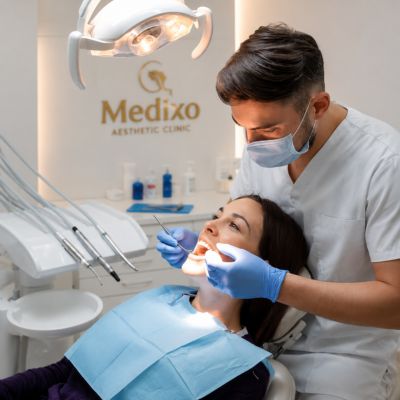
A toothache that won’t quit, sensitivity that flares up at the worst moments, or a dull ache that seems to get worse every day these are usually signs that the problem has moved past what a simple filling can fix. Most patients put off seeing a dentist out of fear the treatment itself will hurt more than the pain they’re already in. Root Canal in Islamabad, when performed with modern techniques, is nowhere near as painful as its reputation suggests and it’s often the difference between saving your natural tooth and losing it entirely.
Quick facts:
- Treatment Type: Non-Invasive Facial Rejuvenation
- Session Duration: 30–60 minutes
- Downtime: None
- Anesthesia: Not Required
- Cost Range: Rs. 4,999 – Rs. 30,000 (Package-Dependent)
- Results Visible: Immediately After Treatment
- Results Last: 3–6 weeks
- Recommended Frequency: Every 4–6 weeks
Why This Treatment Exists in the First Place:
Deep inside every tooth sits a soft tissue called the pulp, containing nerves, blood vessels, and connective tissue that once helped the tooth develop. When decay, a crack, or repeated dental work allows bacteria to reach this pulp, it becomes infected and inflamed and unlike most tissues in the body, it has nowhere to drain, which is exactly why the pain from an infected tooth can feel so intense and relentless. Root canal treatment removes this infected tissue, thoroughly disinfects the space inside the tooth, and seals it, allowing you to keep your natural tooth instead of having it extracted.
Warning Signs You Might Need One:
- Sharp or throbbing pain that lingers, especially when biting down
- Prolonged sensitivity to hot or cold that doesn’t fade quickly
- Visible swelling in the gum near a specific tooth
- A small, recurring pimple-like bump on the gums
- Darkening or discoloration of a single tooth
- Tenderness when touching or tapping the tooth
- Pain that seems to come and go unpredictably over several days
If you’re noticing more than one of these signs, it’s worth getting the tooth examined before the infection has a chance to spread further.
What Actually Happens During Treatment:
- Diagnosis & X-ray: Your dentist examines the tooth and takes an X-ray to assess the extent of infection and map the canal structure.
- Local Anesthesia: The area is numbed thoroughly before any work begins, which is the single biggest factor in making the procedure pain-free.
- Access Opening : A small opening is made in the top of the tooth to reach the infected pulp chamber.
- Pulp Removal: Infected or dead pulp tissue is carefully removed using fine endodontic files.
- Cleaning & Disinfection: The canals are thoroughly cleaned, shaped, and irrigated with an antibacterial solution to eliminate remaining bacteria.
- Filling & Sealing : The cleaned canals are filled with a biocompatible material called gutta-percha and sealed to prevent future infection.
- Crown Placement : In most cases, especially for back teeth, a crown is recommended afterward to restore strength and protect the treated tooth long-term.
What Results Look Like After Treatment:
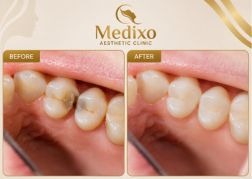
Relief from pain is usually the very first result patients notice, often within a day or two as the infection that was causing discomfort is removed along with the affected pulp. Any lingering soreness from the procedure itself typically settles within 2 to 3 days, at which point the tooth starts to feel normal again for everyday use like chewing and brushing. Once a crown is placed, usually within a couple of weeks of the initial treatment, the tooth regains its full strength and can function just like a natural, healthy tooth. From there, results are considered long-term rather than temporary a properly treated and crowned tooth can comfortably last 10 to 15 years, and in many cases for a lifetime, as long as basic oral hygiene and regular checkups are kept up.


Root Canal vs Tooth Extraction: Making the Right Choice:
When a tooth is badly infected, patients are often given two options treat it or remove it. Here’s how they actually compare:
| Factor | Root Canal | Tooth Extraction |
|---|---|---|
| Keeps natural tooth | Yes | No |
| Long-term cost | Lower overall (no implant/bridge needed) | Higher if replaced later with an implant or bridge |
| Chewing function | Fully preserved | Requires replacement to restore function |
| Appearance | Unchanged | May require a bridge, denture, or implant to look natural |
| Recovery time | A few days | Similar, but replacement adds more downtime later |
In almost every case where the tooth’s root structure is still healthy, saving the natural tooth through root canal treatment is the more cost-effective, longer-lasting choice compared to extraction followed by a replacement. If a tooth truly can’t be saved, restorative options like implants and bridges are covered in more detail on our general dentistry page.
Root Canal Cost by Tooth Type:
Pricing varies depending on how many canals a tooth has, since more canals mean a longer, more detailed procedure:
| Tooth Type | Number of Canals | Estimated Cost (PKR) |
|---|---|---|
| Front Tooth (Incisor) | 1 canal | 8,000 – 12,000 |
| Premolar | 1 – 2 canals | 10,000 – 16,000 |
| Molar | 3 – 4 canals | 15,000 – 25,000 |
| Re-treatment (previously treated tooth) | Varies | 18,000 – 30,000 |
A dental crown, if needed afterward, typically adds an additional cost depending on the material chosen (ceramic, zirconia, or metal-based).
Is the Procedure Actually Painful?
This is, understandably, the question on almost every patient’s mind before booking. With proper local anesthesia, most patients report feeling no more discomfort than they would during a routine filling the actual removal of infected pulp happens on tissue that’s already numbed. In fact, since much of the pain people associate with root canals actually comes from the infection itself rather than the treatment, most patients feel noticeably better once the procedure is complete, not worse. Mild soreness for a day or two afterward is normal and typically manageable with over-the-counter pain relief.
Recovery: What to Expect Afterward:
- Mild tenderness or soreness for 1–3 days is completely normal
- Avoid chewing on the treated side until any temporary filling has fully set
- Take prescribed pain relief or antibiotics exactly as directed
- Stick to softer foods for the first day or two after treatment
- Maintain gentle brushing around the area while avoiding excessive pressure
- Attend your follow-up appointment for crown placement if one has been recommended
- Contact your dentist if pain worsens rather than improves after a few days
Long-Term Care and Maintenance:
Once treated and properly crowned, a root canal tooth can function normally for many years, provided a few habits are maintained:
- Brush twice daily and floss regularly, including around the treated tooth
- Avoid biting down on very hard foods like ice or hard candy
- Attend regular dental checkups every six months to monitor the tooth
- Address any new sensitivity or discomfort promptly rather than waiting
Possible Risks and Complications:
- Temporary sensitivity or soreness after the procedure
- Rare risk of reinfection if bacteria re-enter the tooth
- Occasional need for retreatment if the original procedure doesn’t fully resolve the infection
- Minor risk of a cracked tooth if a crown isn’t placed when recommended
Serious complications are uncommon when treatment is performed by an experienced, qualified dentist using modern sterilization and technique.
What Determines Your Final Cost:
- The type and location of the tooth being treated
- The number of canals involved
- Whether it’s an initial treatment or a retreatment
- Whether a crown is needed afterward, and the material chosen
- The dentist’s experience and the clinic’s technology
Why Choose Medixo Aesthetics:
- Experienced dentists using modern rotary endodontic technology
- Digital X-rays for precise, accurate diagnosis
- Transparent, tooth-type-based pricing with no vague estimates
- Gentle, patient-focused approach designed to minimize anxiety and discomfort
- Complete follow-up care through crown placement and beyond
Our Dentist:
Medixo Aesthetic Clinic is the project of Glamorous Aesthetic Clinic.Dr. Sabeela Imran is one of the best doctor she will consult you and treat for the Root Canal treatment in Islamabad. Dr Sabeela Imran is a patient-friendly dental surgeon who is passionate about aesthetic and restorative Dentistry. She is reputed for her soft manner, meticulousness, and dedication to providing holistic dental care in a space that is both relaxing and stress-free.
Frequently Asked Questions:
How Much Does A Root Canal Cost In Islamabad?
Costs typically range from Rs. 8,000 for a front tooth to Rs. 25,000 for a molar with multiple canals, with a crown priced separately if needed.
How Many Sessions Will I Need?
Most root canals are completed in 1 to 3 sessions, depending on the severity of the infection and the number of canals involved.
Will I Need A Crown Afterward?
In most cases, especially for back teeth, a crown is recommended to protect and strengthen the treated tooth long-term.
Can The Infection Come Back After Treatment?
Reinfection is uncommon when the procedure is done properly and a crown is placed when needed, along with good ongoing oral hygiene.
What Happens If I Choose Extraction Instead?
Extraction removes the tooth entirely, which usually means needing an implant, bridge, or denture later to restore chewing function and appearance.
How Long Do Root Canal Results Actually Last?
With a properly placed crown and good oral hygiene, a treated tooth can last 10 to 15 years or more, often for life.
Is It Normal To Feel Sore After The Procedure?
Yes. Mild soreness for a day or two is completely normal and usually manageable with over-the-counter pain relief.
When Should I See A Dentist About Possible Root Canal Symptoms?
As soon as you notice lingering sensitivity, swelling, or persistent pain, since delaying treatment allows the infection to spread further.
Can A Tooth That's Already Had A Root Canal Need One Again?
Yes. In some cases, retreatment is needed if the original procedure doesn't fully resolve the infection or if new decay develops.

Dr. Ahmed Ali

We are excited to announce that Dr. Ahmed Ali is now a part of the Glamorous Aesthetic Clinic. We are...
View Profile
Dr. Nadia Tariq
At our clinic we introduce you to our certified and professional Dr Nadia Tariq, a well known plastic and reconstructive...
View Profile
Dr. Fabiha Abid
We proudly introduce you to our certified and highly skilled Dr. Fabiha Abid, a renowned physiotherapist and...
View Profile
Dr. Annas Sani
Introducing Dr. Annas Sani - an expert physician and skilled aesthetician at MedixoAesthetics by...
View Profile
Dr. Mehwish Asad
Introduction: Dr. Mehwish Asad is an Aesthetic and General Surgeon, a motivated and hardworking specialist...
View Profile
Dr. Sabeela Imran
Dental Surgeon (BDS) | PMDC Registered: Dr. Sabeela Imran is a patient-friendly dental surgeon who is passionate...
View Profile