


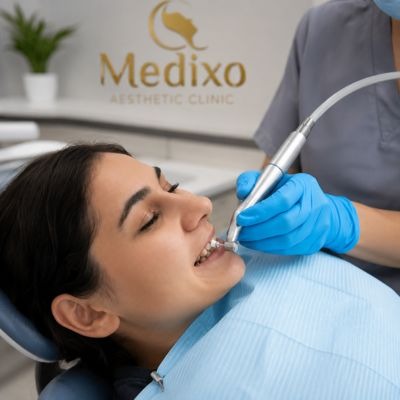
Yellowish stains that won’t budge with regular brushing, a rough feeling along the gumline, or breath that stays stale no matter how often you rinse these are usually signs of something brushing and flossing alone simply can’t fix. Over time, everyday plaque hardens into a stubborn deposit called tartar, which builds up both above and below the gumline where a toothbrush can never fully reach. Teeth Scaling and Polishing in Islamabad is the professional deep-clean that removes this buildup completely, leaving teeth smoother, brighter, and genuinely healthier not just cosmetically cleaner.
Quick Facts:
- Treatment Type: Professional Dental Cleaning
- Cost Range: Rs. 3,000 – Rs. 18,000
- Session Duration: 30–60 minutes
- Anesthesia: Not Usually Required
- Downtime: None
- Recommended Frequency: Every 6 Months
- Results: Immediate, Visible Smoothness and Brighter Teeth
What Is Teeth Scaling And Polishing:
Plaque forms constantly on teeth as a soft, sticky film made of bacteria and food particles. When it isn’t removed consistently, it hardens into tartar (also called calculus) within as little as 24 to 72 hours and once that happens, no amount of brushing at home can remove it. Left untreated, this hardened buildup irritates the gums, creates a rough surface where more bacteria can cling, and over time contributes to gum disease, bad breath, and even tooth loss. Scaling physically removes this tartar using specialized instruments, while polishing smooths the tooth surface afterward, making it harder for new plaque to stick as easily.
Scaling vs Deep Cleaning: Which One Do You Actually Need?
These two terms get used interchangeably, but they’re not quite the same treatment, and choosing the right one matters:
| Factor | Scaling & Polishing | Deep Cleaning (Root Planing) |
|---|---|---|
| Focus Area | Tooth surface and just below the gumline | Deeper below the gumline, along the tooth root |
| Best For | Routine maintenance, mild plaque/tartar | Gum disease, receding gums, heavier buildup |
| Sensitivity | Minimal | Slightly more, especially right after |
| Frequency | Every 6 months | As recommended based on gum health |
| Anesthesia | Not usually needed | Sometimes used for comfort |
If you’ve never had significant gum problems and simply want routine maintenance, standard scaling and polishing is typically enough. If your dentist notices gum recession, pockets forming around the teeth, or signs of periodontal disease, deep cleaning becomes the more appropriate option.
What Results Look Like:
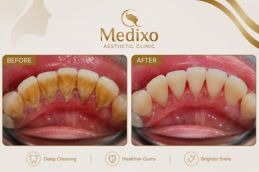
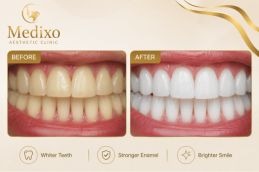
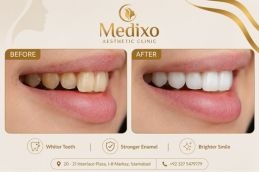
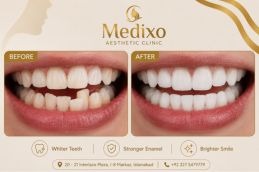
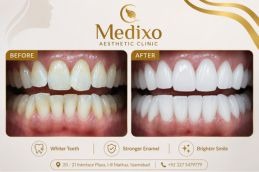
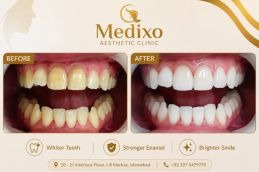
The change is noticeable the moment you leave the chair teeth feel visibly smoother under the tongue, surface stains are lifted, and the overall brightness of your smile improves right away without needing to wait days or weeks for the effect to show. Beyond the cosmetic difference, gums often look less inflamed within just a few days as the source of irritation, the hardened tartar, has been removed from along the gumline. For patients who had noticeable bleeding or tenderness before treatment, this usually settles within a week as gum health starts to recover. These results aren’t permanent in the sense that new plaque will inevitably begin forming again, which is exactly why routine six-month cleanings are recommended but with consistent brushing, flossing, and regular visits, the smoother, brighter, healthier feeling can essentially be maintained indefinitely.
Aftercare Tips to Maintain Your Results:
- Use a soft-bristled toothbrush for the first few days if gums feel tender
- Avoid very hot, cold, or acidic foods for 24 hours if you’re experiencing sensitivity
- Rinse gently with a fluoride or antibacterial mouthwash as recommended
- Maintain a consistent brushing and flossing routine to slow new plaque buildup
- Limit staining foods and drinks like tea, coffee, and tobacco where possible
- Book your next cleaning within six months rather than waiting until buildup returns
Signs You’re Likely Overdue for This Treatment:
- Visible yellow or brown staining along the gumline
- A rough or gritty feeling when running your tongue over your teeth
- Gums that bleed when brushing or flossing
- Persistent bad breath that doesn’t improve with mouthwash
- Tartar buildup visible as a hard, chalky deposit near the gums
- It’s been more than six months since your last professional cleaning
Routine scaling and polishing works best as part of a broader, ongoing approach to general dentistry and if you’re also dealing with a more serious concern like persistent tooth pain rather than just surface buildup, it’s worth reading about Root Canal treatment as well.
Who Should Book This Treatment:
- Anyone due for their routine six-month dental cleaning
- Patients noticing early signs of gum irritation or bleeding
- Coffee, tea, or tobacco users dealing with surface staining
- Patients preparing for other dental treatments, since a clean baseline is often required first
- Anyone wanting a simple, non-invasive way to freshen their smile
When Extra Caution Is Needed:
- Patients with certain heart conditions may need antibiotic premedication always disclose your full medical history
- Those with very sensitive teeth may want to discuss numbing options beforehand
- Active gum infections may need to be addressed before routine scaling in some cases
The Process: What Actually Happens in the Chair:
- Initial Examination : Your dentist checks overall oral health and identifies areas with heavier tartar buildup.
- Ultrasonic Scaling: A vibrating ultrasonic tool loosens and removes tartar from the tooth surface and just below the gumline, often paired with a fine water spray to flush away debris.
- Manual Fine-Tuning : Hand instruments are used to reach any remaining deposits the ultrasonic tool couldn’t fully clear.
- Polishing : A rotating rubber cup with a mildly abrasive polishing paste smooths the tooth surface, removing surface stains and leaving a smooth, glossy finish.
- Fluoride Application (Optional): Some clinics finish with a fluoride treatment to strengthen enamel and reduce sensitivity afterward.
Is It Painful? Addressing the Biggest Hesitation:
For most patients, scaling and polishing causes little to no discomfort at most, a mild vibrating sensation from the ultrasonic tool or brief sensitivity if tartar buildup is significant. Patients with naturally sensitive teeth or gums that have been inflamed for a while may feel slightly more sensitivity during and shortly after the procedure, but this is temporary and typically fades within a day or two. It’s a common misconception that this treatment damages or weakens enamel in reality, only the hardened tartar sitting on top of the enamel is removed, leaving the tooth surface itself intact and often smoother than before.
What to Expect Immediately After:
- Mild sensitivity to hot or cold for a day or two is completely normal
- Gums may feel slightly tender, especially if there was noticeable tartar buildup
- Teeth often feel unusually smooth immediately afterward this is a normal, positive sign
- Minor, temporary bleeding when brushing that evening is not unusual
Common Myths, Addressed:
Scaling makes teeth weaker or creates gaps: It doesn’t. Any sense of new spacing is usually just the removal of tartar that was previously filling gaps between teeth the enamel itself isn’t affected.
It’s only necessary if you have visible tartar: Even without obvious buildup, plaque forms below the gumline where it can’t be seen, which is why routine six-month cleanings matter regardless of how clean your teeth look.
It’s the same as teeth whitening: Not quite polishing removes surface stains and gives teeth a brighter appearance, but for significant whitening beyond your natural tooth color, a dedicated whitening treatment is needed separately.
What Determines Your Final Cost:
- The amount of tartar buildup and complexity of cleaning required
- Whether standard scaling or deep cleaning is needed
- The dentist’s experience and the clinic’s equipment
- Any additional treatments like fluoride application
- How many sessions are needed for more extensive buildup
Our Dentist:

Dr. Sabeela Imran is one of the leading dentists at Medixo Aesthetics, with extensive experience in restorative and cosmetic dentistry. She is known for providing thorough consultations, personalized treatment plans, and high-quality dental care tailored to each patient’s needs. If you are considering teeth whitening treatment, Dr. Sabeela will carefully assess your oral health, discuss your aesthetic goals, and recommend the most suitable treatment for safe, natural-looking results.
Frequently Asked Questions:
Is This Treatment Painful?
Most patients feel little to no discomfort, though those with sensitive teeth or significant tartar buildup may notice mild, temporary sensitivity.
How Often Should I Get This Done?
Dentists generally recommend professional scaling and polishing every six months as part of routine preventive care.
Will It Whiten My Teeth?
It can remove surface stains and make teeth appear brighter, but it isn't a substitute for a dedicated teeth whitening treatment if you want a noticeably lighter shade.
Can Scaling Damage My Enamel Or Create Gaps?
No. It removes hardened tartar sitting on top of the enamel without affecting the tooth structure itself. Any perceived gaps are simply spaces the tartar was previously filling.
What’s The Difference Between Scaling And Deep Cleaning?
Scaling and polishing cleans the tooth surface and just below the gumline for routine maintenance, while deep cleaning treats further below the gumline for patients with gum disease or heavier buildup.
Is Scaling Necessary Even If My Teeth Look Clean?
Yes. Plaque and early tartar can form below the gumline where it isn't visible, which is why routine cleanings matter even when teeth appear fine on the surface.
How Long Does A Session Take?
Most sessions take between 30 and 60 minutes, depending on the amount of buildup and whether polishing is included.
Will My Gums Bleed After Treatment?
Minor, temporary bleeding is possible, especially if there was significant tartar buildup along the gumline, but it typically resolves within a day.
Who Should Avoid Or Delay This Treatment?
Patients with certain heart conditions or active gum infections should consult their dentist first, as some cases may require special precautions before routine cleaning.
Why Choose Medixo Aesthetics:
- Modern ultrasonic scaling technology for a thorough, comfortable clean
- Experienced dentists who assess whether standard scaling or deep cleaning fits your needs
- Transparent, upfront pricing with no hidden charges
- A gentle, patient-focused approach designed to minimize discomfort
- Full guidance on maintaining results between visits
Ready for a Cleaner, Healthier Smile?
Book a free consultation to find out whether standard scaling or a deeper clean is right for your teeth and gums.

Dr. Ahmed Ali

We are excited to announce that Dr. Ahmed Ali is now a part of the Glamorous Aesthetic Clinic. We are...
View Profile
Dr. Nadia Tariq
At our clinic we introduce you to our certified and professional Dr Nadia Tariq, a well known plastic and reconstructive...
View Profile
Dr. Fabiha Abid
We proudly introduce you to our certified and highly skilled Dr. Fabiha Abid, a renowned physiotherapist and...
View Profile
Dr. Annas Sani
Introducing Dr. Annas Sani - an expert physician and skilled aesthetician at MedixoAesthetics by...
View Profile
Dr. Mehwish Asad
Introduction: Dr. Mehwish Asad is an Aesthetic and General Surgeon, a motivated and hardworking specialist...
View Profile
Dr. Sabeela Imran
Dental Surgeon (BDS) | PMDC Registered: Dr. Sabeela Imran is a patient-friendly dental surgeon who is passionate...
View Profile