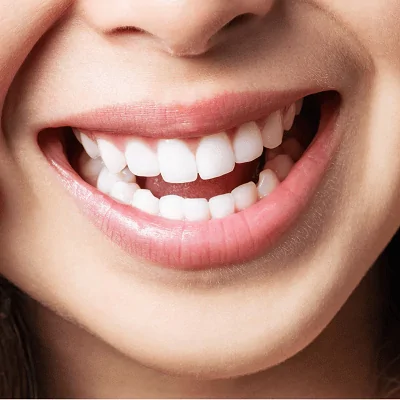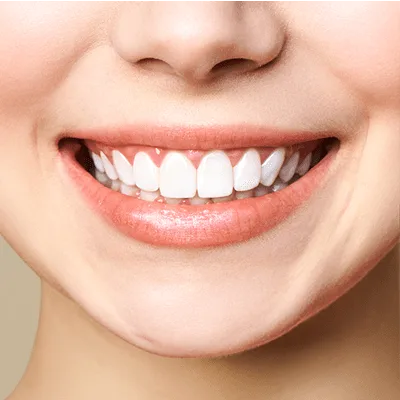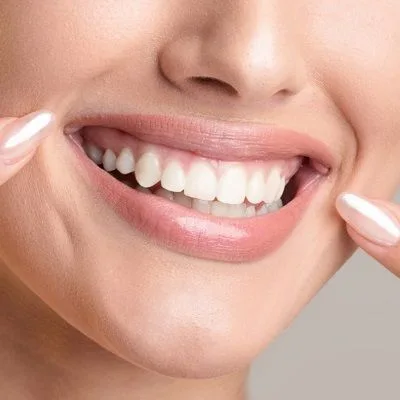


A bright, confident smile often makes the best first impression. However, over time, teeth can lose their natural shine due to food, drinks, smoking, or simply aging. Many people seek professional solutions to restore a dazzling smile, and one of the most popular methods is laser teeth whitening. This advanced dental treatment has gained popularity because of its quick and noticeable results. If you’re considering ways to improve your smile, you might wonder: Can laser teeth whitening remove stains permanently? In many dental clinics today, including those offering Laser Teeth Whitening in Islamabad Pakistan, this treatment has become a sought-after option for patients looking for effective stain removal. To understand whether it provides permanent results, it’s important to explore how the procedure works, what benefits it offers, and what limitations come with it.
What is Laser Teeth Whitening?
Laser Teeth Whitening is a cosmetic dental procedure designed to lighten the color of your teeth. It involves applying a special whitening gel to the teeth and then activating it with a focused laser beam. The laser accelerates the chemical reaction, helping break down stain molecules faster than traditional whitening methods.
Causes of Tooth Stains
To better understand how whitening works, it helps to know why teeth become stained in the first place. Tooth discoloration can be classified into two categories:
| Type of Stain | Description | Examples of Causes |
|---|---|---|
| Extrinsic Stains | Surface stains that affect the outer layer (enamel). | Coffee, tea, red wine, smoking, colored foods. |
| Intrinsic Stains | Discoloration within the tooth structure (dentin). | Aging, trauma, certain medications, excessive fluoride. |
Laser whitening is most effective for extrinsic stains, though it can improve the appearance of some intrinsic discolorations as well.
How Does Laser Teeth Whitening Work?
The procedure follows a series of steps:
-
Initial Examination – The dentist evaluates your teeth and gums to ensure you’re a suitable candidate.
-
Cleaning and Preparation – A protective barrier is applied to your gums, and the teeth are cleaned.
-
Application of Whitening Gel – A hydrogen peroxide or carbamide peroxide gel is applied to the tooth surface.
-
Laser Activation – A special dental laser targets the gel, activating it to break down stain molecules.
-
Final Rinse and Results – After treatment, the gel is removed, and you can usually see noticeable whitening immediately.
Are the Results Permanent?
This is the most common question patients ask. The answer is no, laser teeth whitening does not remove stains permanently. While the procedure can significantly brighten teeth, the results are not permanent because:
-
Enamel remains porous and can absorb new stains.
-
Lifestyle habits such as smoking, drinking coffee, or consuming colored foods can reintroduce discoloration.
-
Natural aging causes gradual darkening of teeth over time.
On average, results can last from six months to two years, depending on how well patients maintain their oral hygiene and lifestyle.
Benefits of Laser Teeth Whitening
Despite not being permanent, laser whitening offers many advantages, making it one of the most popular treatments:
-
Instant Results – Noticeable whitening in a single visit.
-
Safe and Professional – Performed under expert supervision.
-
Quick Procedure – Usually completed within an hour.
-
Customizable – The dentist controls the level of whitening.
-
Boosts Confidence – A brighter smile enhances self-esteem.
Limitations of Laser Teeth Whitening
It’s equally important to be aware of the limitations:
-
Results are not permanent.
-
Effectiveness varies with the type of stains.
-
Temporary tooth sensitivity may occur.
-
Regular maintenance is needed for lasting results.
-
Costs are higher compared to at-home kits.
How Long Do Results Last?
The longevity of whitening depends on lifestyle and aftercare. Here are some factors that influence how long your results may last:
| Factor | Impact on Results |
|---|---|
| Diet | Frequent consumption of coffee, tea, red wine reduces duration. |
| Oral Hygiene | Brushing, flossing, and using whitening toothpaste help maintain brightness. |
| Smoking | Tobacco significantly shortens results. |
| Dental Care | Regular professional cleanings extend whiteness. |
On average, patients enjoy whiter teeth for about 12–18 months with proper care.
Aftercare Tips for Longer-Lasting Results
If you want your whitening results to last as long as possible, follow these guidelines:
-
Limit consumption of stain-causing foods and drinks.
-
Rinse your mouth after drinking tea, coffee, or wine.
-
Quit smoking or reduce tobacco use.
-
Brush twice daily with fluoride toothpaste.
-
Visit your dentist for routine checkups and scaling.
-
Consider touch-up treatments every year if needed.
Alternatives to Laser Teeth Whitening
If laser treatment is not suitable or within your budget, there are other whitening methods available:
-
In-office bleaching without laser – Slower but effective.
-
At-home dentist-provided kits – Customized trays with whitening gel.
-
Over-the-counter strips or toothpaste – Less effective but affordable.
-
Porcelain veneers or bonding – Cosmetic solutions for deep intrinsic stains.
Is Laser Whitening Safe for Everyone?
While generally safe, not everyone is a good candidate for this procedure. It may not be suitable for:
-
Pregnant or breastfeeding women.
-
Individuals with gum disease or untreated cavities.
-
Patients with very sensitive teeth.
-
People with restorations (fillings, crowns) on front teeth, as these don’t respond to whitening.
Your dentist will evaluate your oral health before recommending the treatment.
Myths About Laser Teeth Whitening
There are several misconceptions about this procedure. Let’s clear a few:
-
Myth: Whitening damages enamel.
-
Fact: Professional treatments are safe and do not harm enamel when performed correctly.
-
-
Myth: Results are permanent.
-
Fact: Results fade over time due to lifestyle and natural aging.
-
-
Myth: It makes teeth unnaturally white.
-
Fact: Whitening restores natural brightness; results vary from person to person.
-
Conclusion!
Laser teeth whitening is one of the most effective ways to restore a bright, confident smile. While the treatment provides quick and impressive results, it does not permanently eliminate stains. Instead, results typically last from several months to a couple of years, depending on lifestyle and oral hygiene habits.