

Crooked or misaligned teeth can affect more than just your smile—they can also impact your confidence, oral hygiene, and even the way you chew or speak. Many people consider orthodontic treatments when they want a straighter and healthier smile. One of the most common and effective solutions is dental braces. If you’ve ever wondered, “Do dental braces really work for crooked teeth?”, the short answer is yes. But to understand why, it’s important to know how they function, their benefits, and what the treatment involves. For people seeking reliable orthodontic care, Dental Braces in Islamabad Pakistan, have become an increasingly popular solution, offering advanced techniques to align teeth and transform smiles.
Why Do Teeth Become Crooked?
There are several reasons why teeth may not align properly:
-
Genetics: Inherited jaw shape or teeth size from parents.
-
Early Childhood Habits: Thumb-sucking, tongue thrusting, or prolonged use of pacifiers.
-
Tooth Loss: Losing baby teeth too early or permanent teeth too late can shift alignment.
-
Injuries: Trauma to the jaw or teeth can disrupt alignment.
-
Crowding: When the mouth doesn’t have enough space for all teeth.
Crooked teeth are not only a cosmetic issue; they can also lead to gum disease, cavities, or uneven wear and tear if left untreated.
How Do Dental Braces Work?
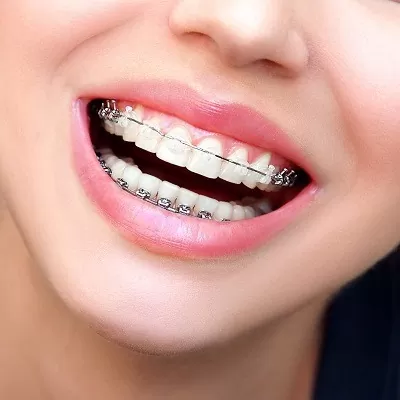
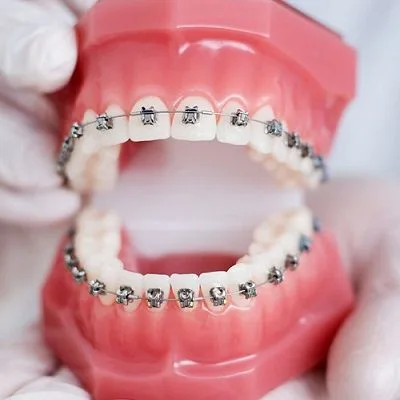
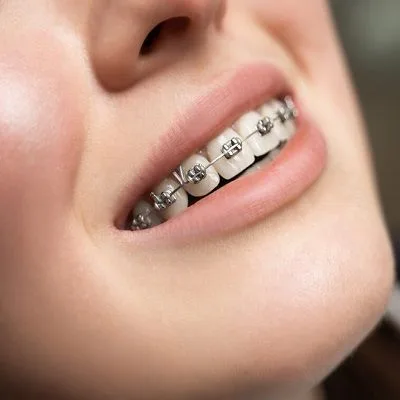
Dental Braces apply gentle, consistent pressure to the teeth and jaws. Over time, this pressure moves the teeth into the correct position. The braces are adjusted periodically by an orthodontist to ensure continuous progress.
The process involves:
-
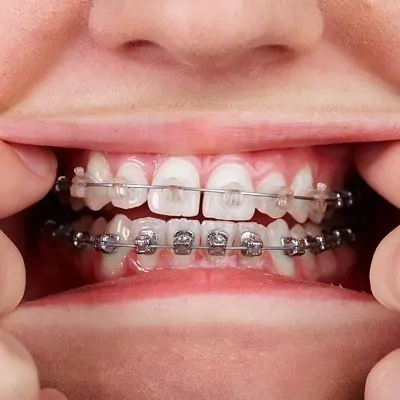
Brackets: Small square attachments placed on each tooth.
-
Archwire: A wire connecting all the brackets that guides teeth movement.
-
Bands/Elastic Ligatures: Used to secure the wire in place.
-
Periodic Adjustments: Orthodontists tighten or adjust braces during visits.
The gradual process typically takes anywhere between 18 months to 3 years, depending on the severity of misalignment.
Types of Dental Braces
When it comes to choosing braces, patients today have more options than ever. Each type has its advantages and suitability.
| Type of Braces | Description | Best For |
|---|---|---|
| Traditional Metal Braces | Made of stainless steel; visible brackets and wires | Severe misalignments, budget-friendly option |
| Ceramic Braces | Tooth-colored brackets; less noticeable | Adults or teens concerned with aesthetics |
| Lingual Braces | Attached behind the teeth (invisible from the front) | Patients wanting a discreet option |
| Clear Aligners (e.g., Invisalign) | Transparent trays worn over teeth | Mild to moderate misalignments, removable and aesthetic |
Benefits of Dental Braces
Braces provide both cosmetic and health-related benefits.
-
Improved Appearance: Straight teeth enhance the beauty of your smile.
-
Better Oral Health: Aligned teeth are easier to brush and floss, reducing cavities and gum problems.
-
Enhanced Bite Function: Corrects overbite, underbite, and crossbite.
-
Prevention of Dental Issues: Reduces risk of uneven wear, tooth decay, and jaw problems.
-
Long-Term Confidence: A straighter smile often boosts self-esteem and confidence.
Treatment Process Step by Step
If you’re considering braces, here’s what the process usually looks like:
-
Initial Consultation: The orthodontist evaluates your teeth with X-rays and impressions.
-
Treatment Planning: Customized treatment plan based on your dental needs.
-
Placement of Braces: Brackets and wires are attached in the first session.
-
Regular Adjustments: Monthly or bi-monthly visits for tightening and progress monitoring.
-
Retention Phase: After braces are removed, retainers are worn to maintain results.
Do Braces Really Work for Crooked Teeth?
Yes, braces are one of the most effective methods for correcting crooked teeth. They address not just the visible alignment but also the underlying bite issues. While aligners may be an option for mild cases, braces remain the gold standard for moderate to severe misalignments. Research shows that patients who complete orthodontic treatment often maintain straighter teeth for life when they follow their dentist’s aftercare instructions, such as wearing retainers.
How Long Does It Take to See Results?
The duration varies depending on:
-
Severity of crooked teeth
-
Type of braces used
-
Patient’s age
-
Consistency with appointments and care
On average, results become noticeable within a few months, but full treatment usually spans between 18 months to 3 years.
Challenges and Things to Keep in Mind
While braces are effective, patients should be aware of some challenges:
-
Discomfort: Mild pain or soreness after adjustments.
-
Oral Hygiene: Food can get stuck around brackets, requiring diligent cleaning.
-
Dietary Restrictions: Sticky or hard foods should be avoided.
-
Adjustment Period: Speech and eating habits may take time to adapt.
Alternatives to Braces
Not everyone wants traditional braces. Alternatives include:
-
Clear Aligners: Removable trays, virtually invisible.
-
Veneers: Cosmetic solution for minor crookedness (not corrective).
-
Retainers: Used after braces or for very minor adjustments.
However, these alternatives may not provide the same long-term corrective benefits as braces.
Maintaining Results After Braces
Getting braces is only half the journey—maintaining results is equally important.
-
Wear Retainers: Essential to prevent teeth from shifting back.
-
Regular Check-ups: Continue seeing your dentist for routine evaluations.
-
Oral Hygiene: Keep up with brushing and flossing to protect your new smile.
Final Thoughts!
So, do dental braces really work for crooked teeth? Absolutely. Braces are a proven orthodontic treatment that effectively straightens teeth, enhances appearance, and improves oral health. Whether you opt for traditional metal braces, ceramic ones, or modern clear aligners, the outcome is life-changing. For anyone struggling with crooked teeth and looking for a lasting solution, considering Dental Braces in Islamabad Pakistan could be a worthwhile step toward a healthier, more confident smile.